
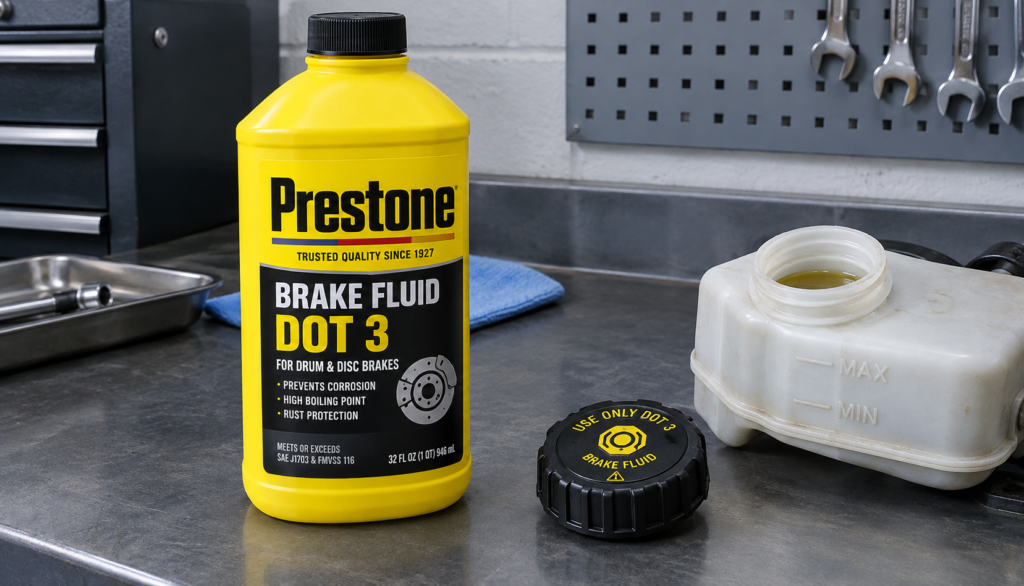
Prestone DOT 3 Brake Fluid: What It Is, Compatibility, and When to Use It
If you’re standing in the auto parts aisle holding a bottle of Prestone DOT 3 brake fluid and wondering whether
If you’re standing in the auto parts aisle holding a bottle of Prestone DOT 3 brake fluid and wondering whether
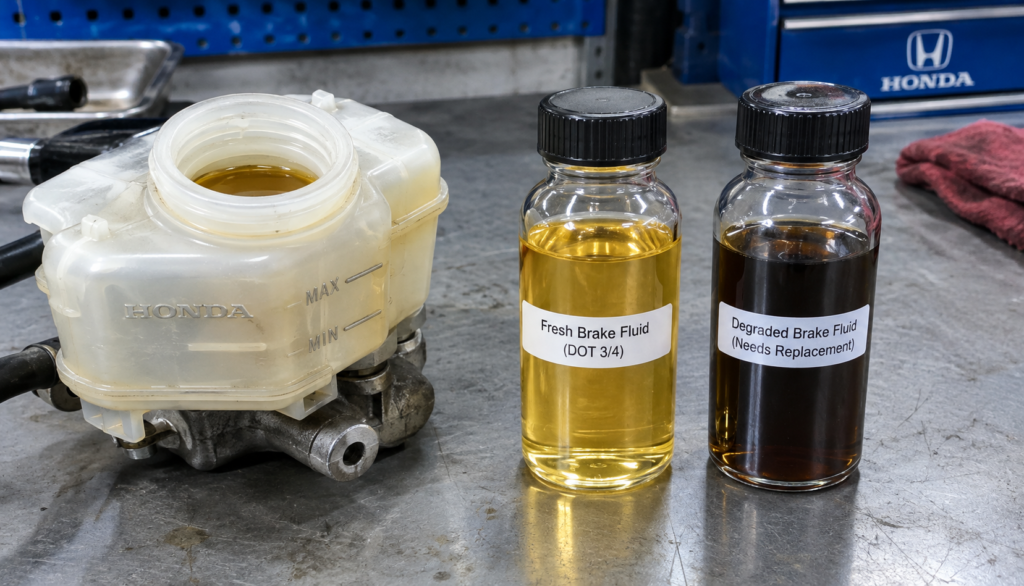
Your Honda’s brake fluid degrades silently over time. Here’s how to spot warning signs before a safety problem develops.
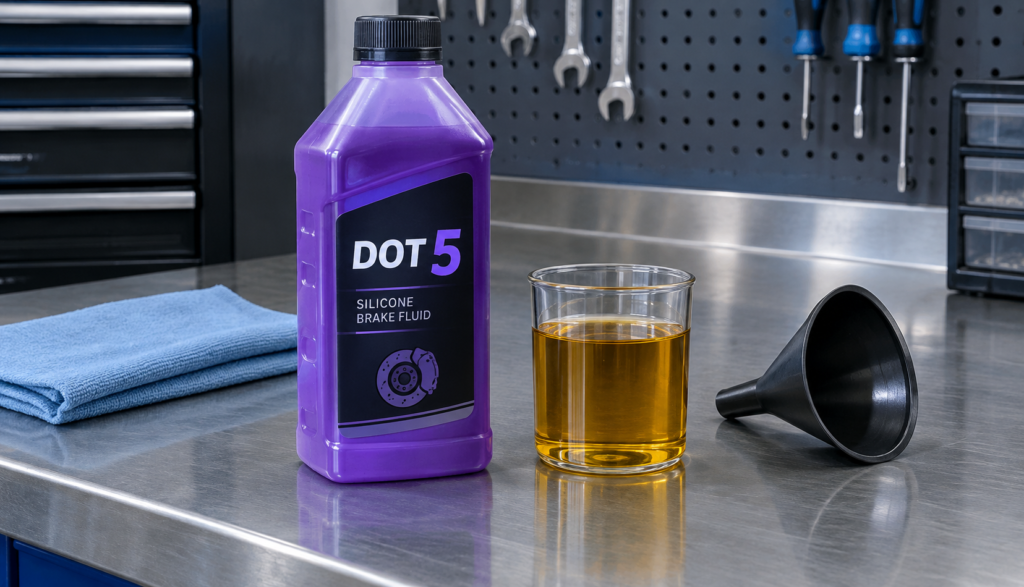
DOT 5 is the only silicone-based brake fluid, and it can’t be mixed with DOT 3, 4, or 5.1. Here are its specs, which vehicles use it, and why it usually doesn’t belong in an ABS system.
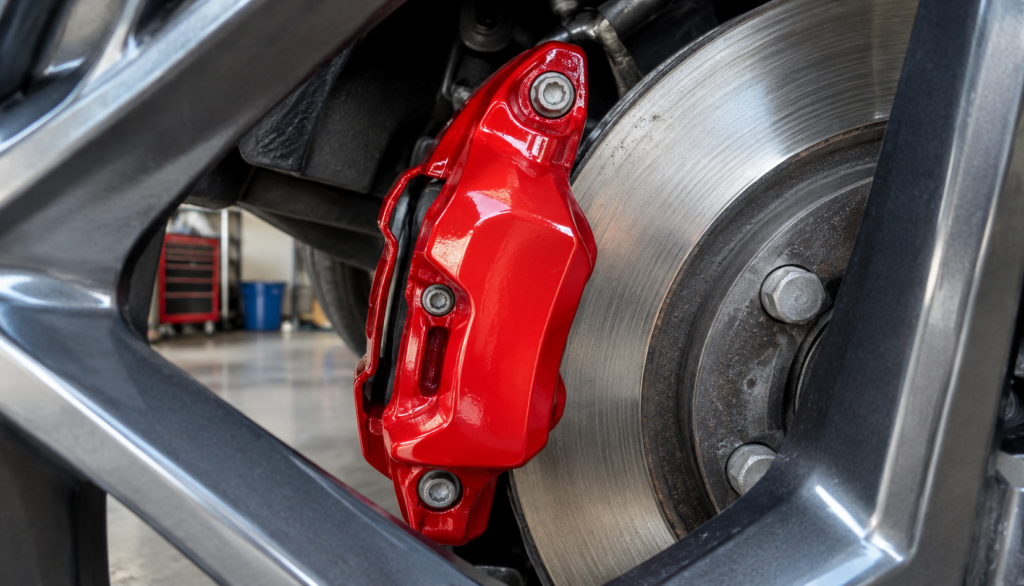
A full cost breakdown for painting brake calipers red — DIY kits vs. professional shops vs. powder coating — plus what caliper paint does and doesn’t affect on your brakes.
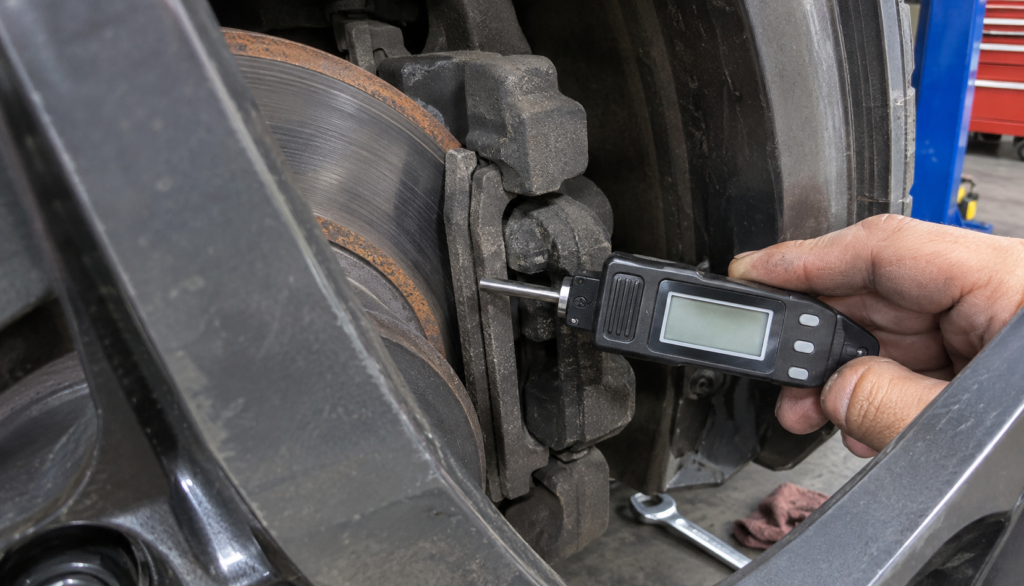
A full breakdown of what a brake pad thickness gauge measures, safe vs. critical thickness ranges, and how to know when it’s time to replace your pads.
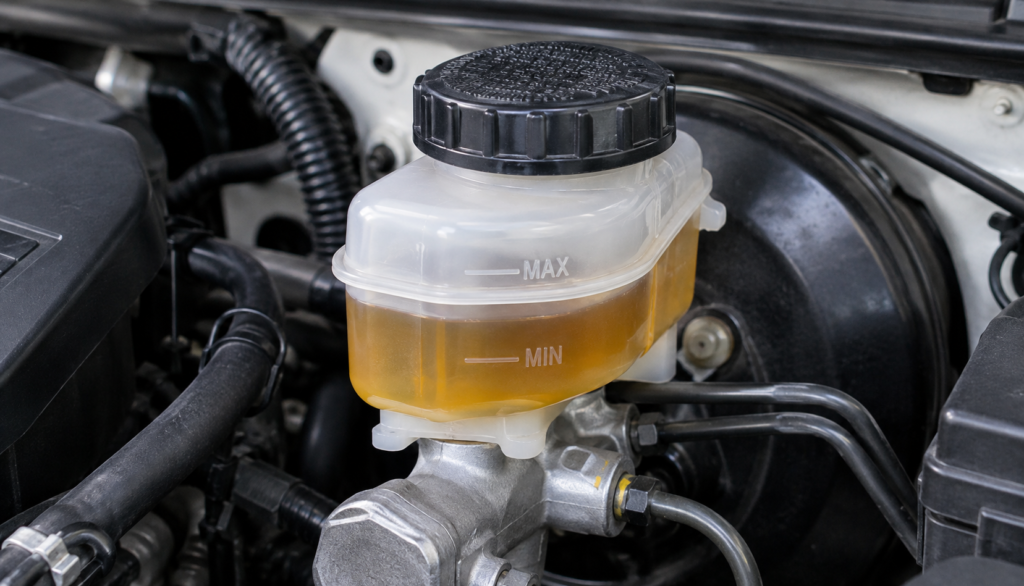
New brake fluid is clear to light amber, but it darkens over time as it absorbs moisture and picks up debris. Here’s how to read the color and know when it’s time for a flush.
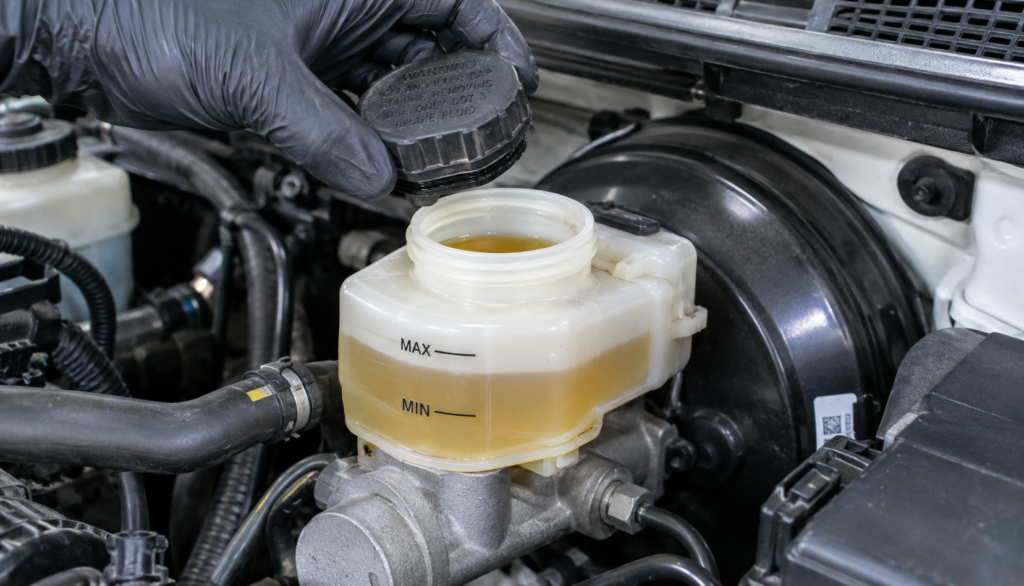
Most cars need a brake fluid change every 2 years or 30,000 miles — but towing, climate, and driving habits can shorten that. Here’s how to know your real interval.
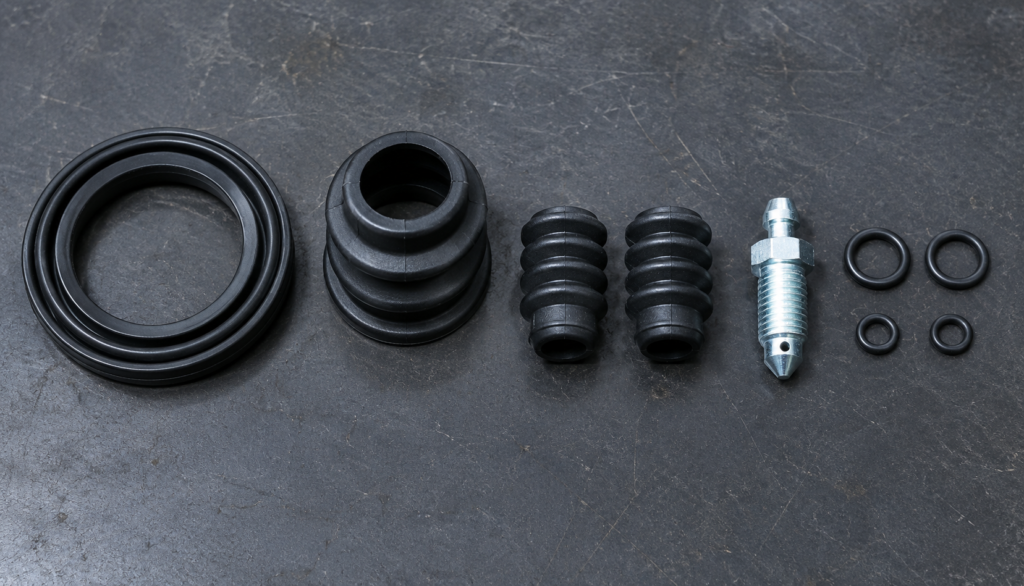
A complete breakdown of what’s inside a brake caliper rebuild kit — seals, boots, hardware — and how to find the right kit for your vehicle.
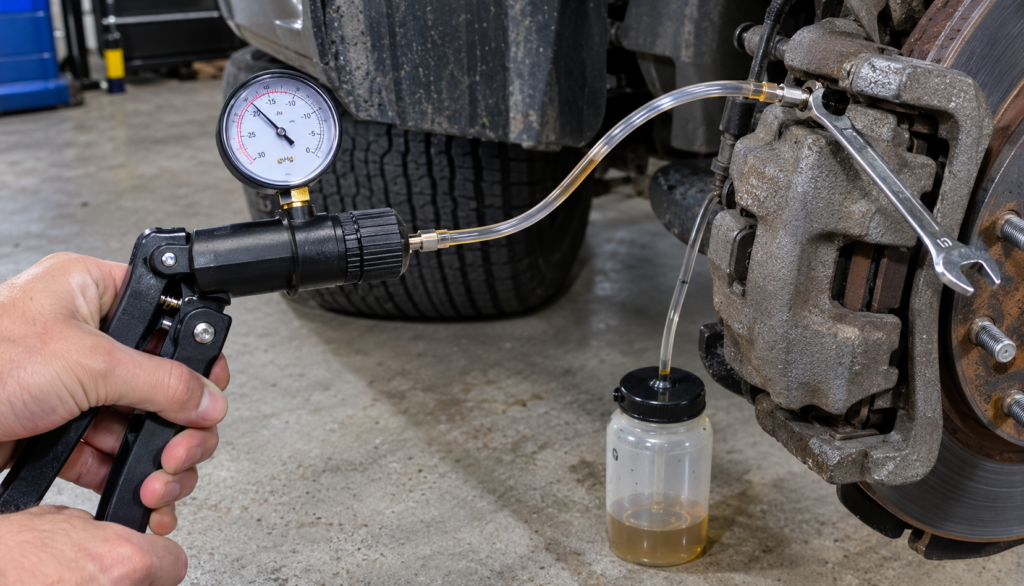
A step-by-step guide to bleeding your brakes solo with a vacuum bleeder — proper sequence, common mistakes, and when vacuum bleeding isn’t enough on its own.
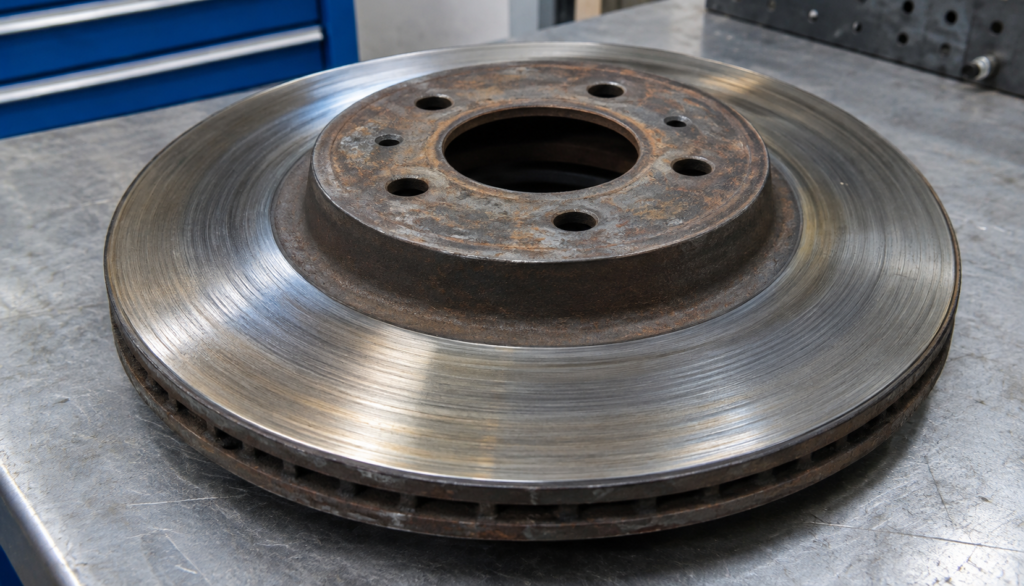
Steering wheel shake and brake pedal pulsation are the telltale signs of warped rotors. Here’s how to confirm it, what’s really causing it, and what fix applies.